Understanding Millais’ Ophelia: Artist Techniques in Colour, Composition, and Brushwork

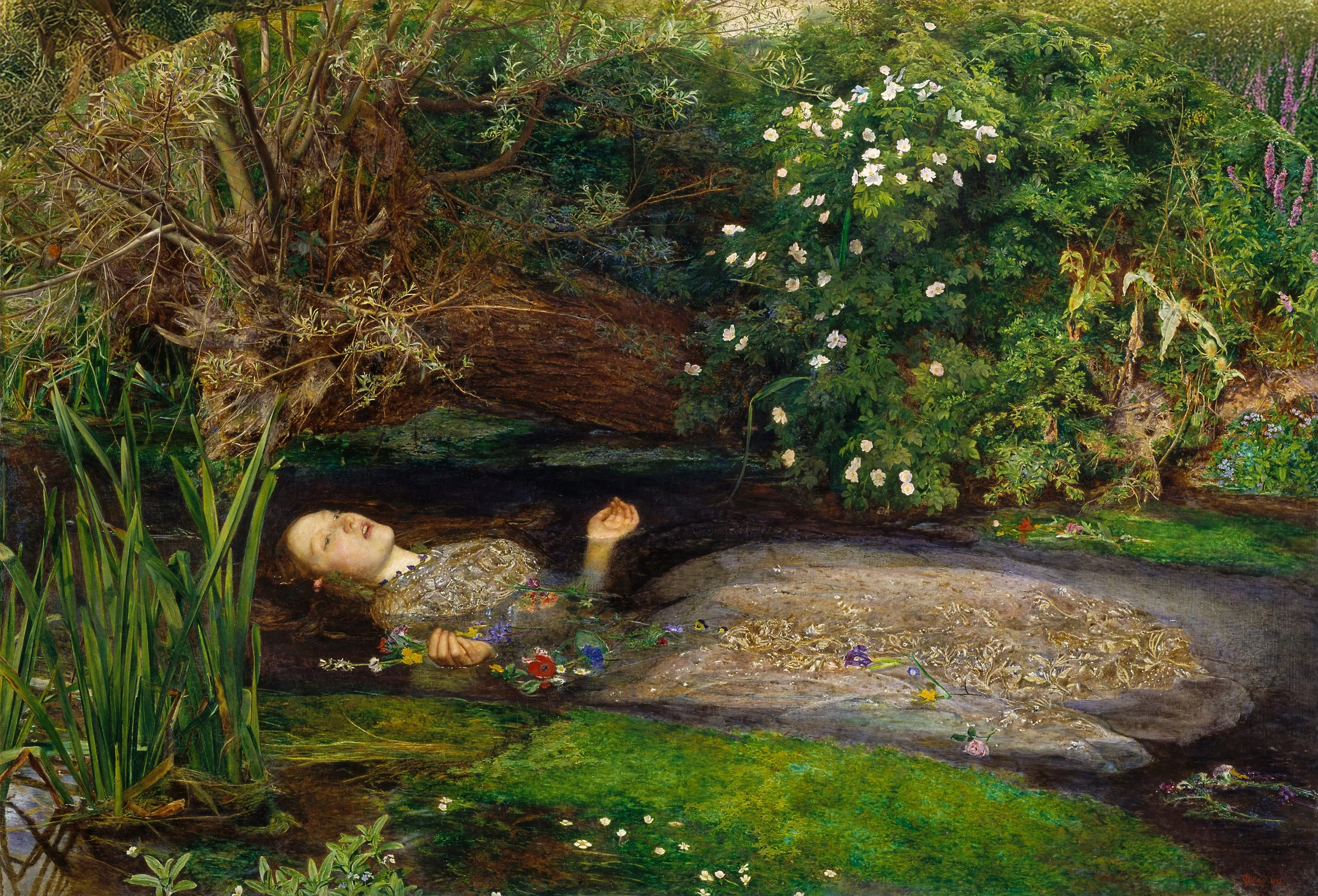
John Everett Millais’ Ophelia (1851–52) is often discussed for its literary and symbolic content, but it is equally valuable as a technical masterclass. The painting demonstrates how colour, composition, and brushwork work together to convey meaning without overt drama. Millais shows that emotional power can emerge through restraint, close observation, and deliberate artistic choices.

1. Composition: Order Beneath Apparent Naturalism

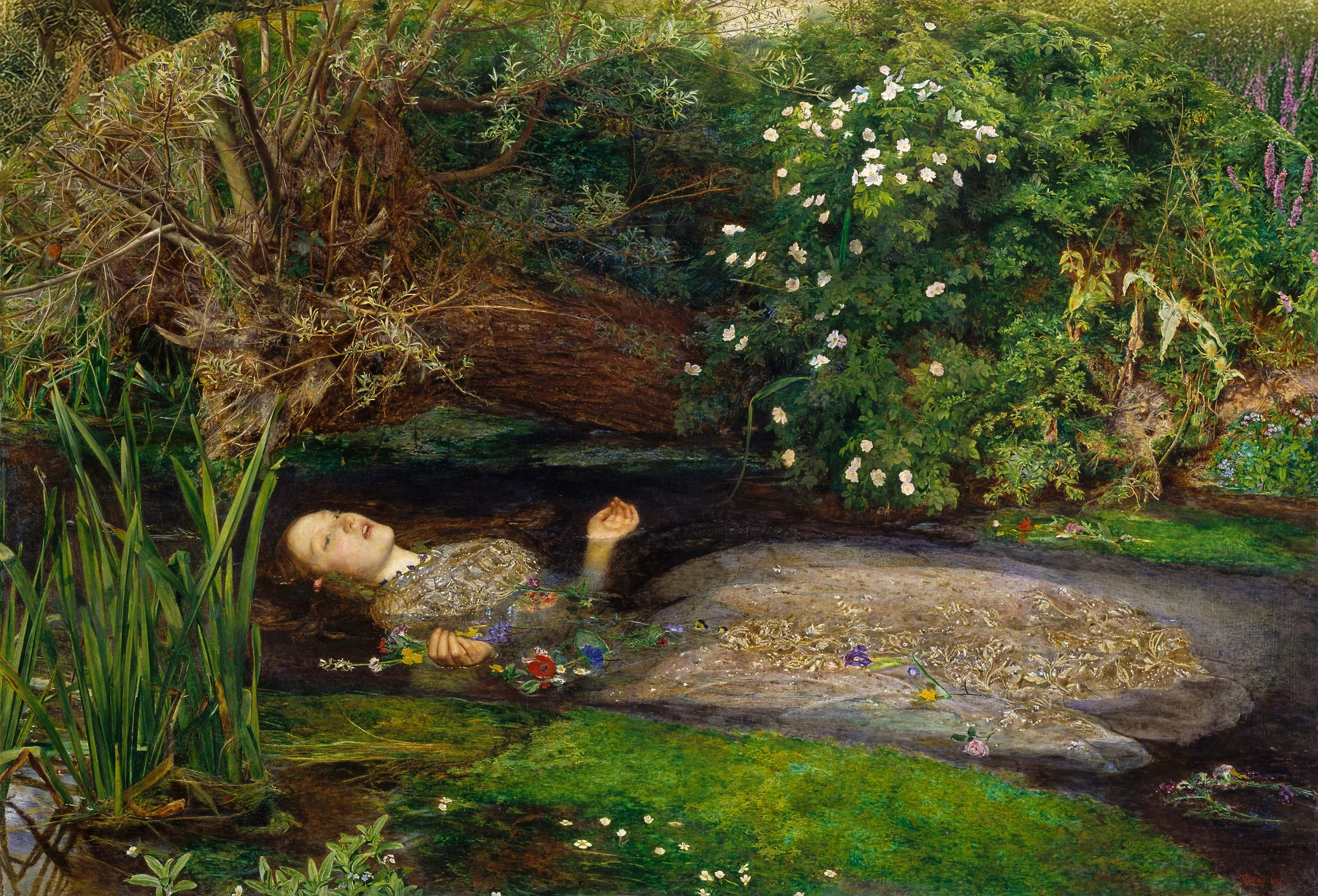
At first glance, Ophelia appears spontaneous and organic, yet its structure is highly controlled.

Horizontal Stability

The dominant compositional force is the horizontal axis of Ophelia’s body. This creates calm and stillness, reinforcing the sense that movement has ceased. Unlike diagonals—which imply action or resistance—the horizontal placement suggests surrender and inevitability.