Embracing Movement and Form: A Rubens-Inspired Life Drawing Class
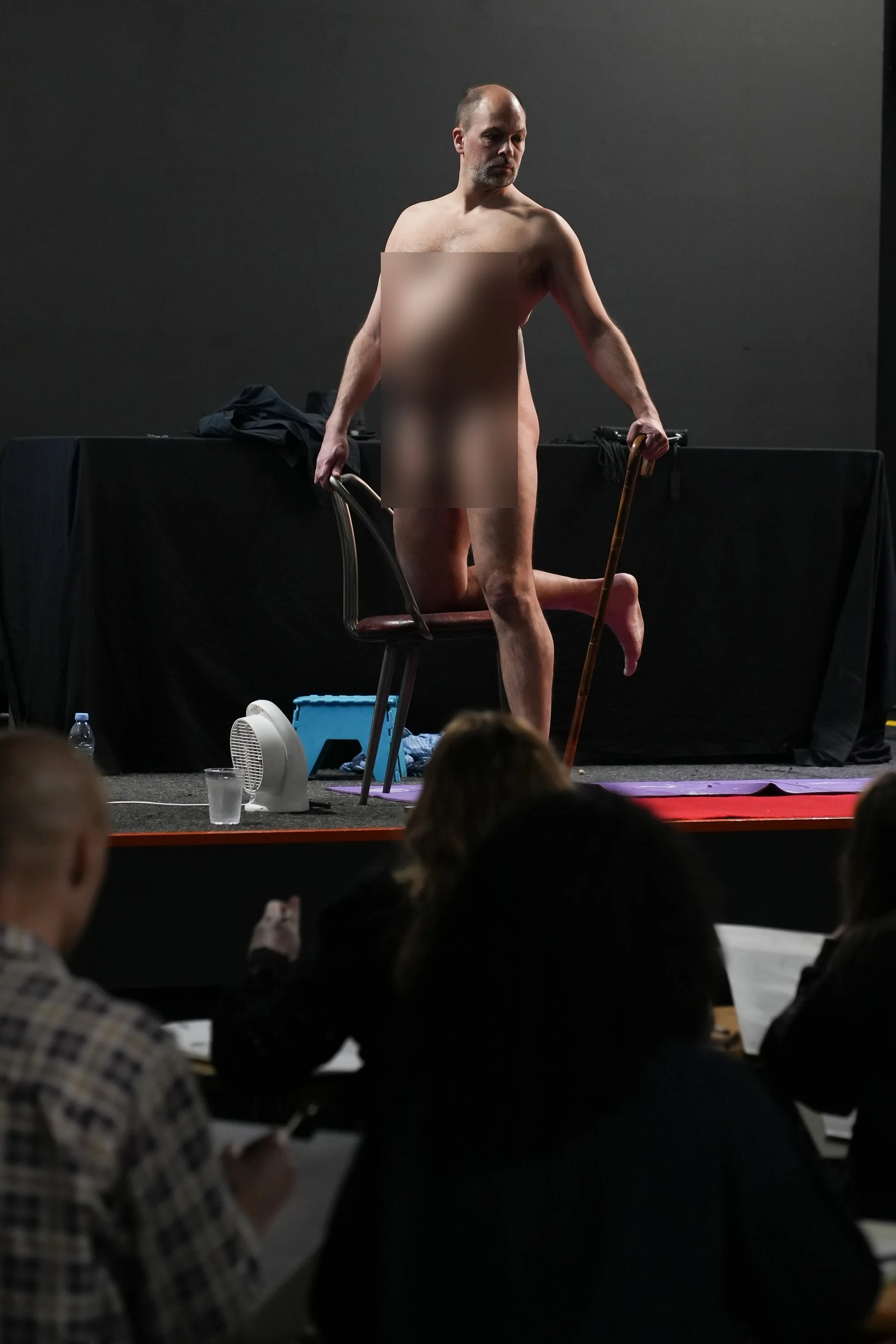
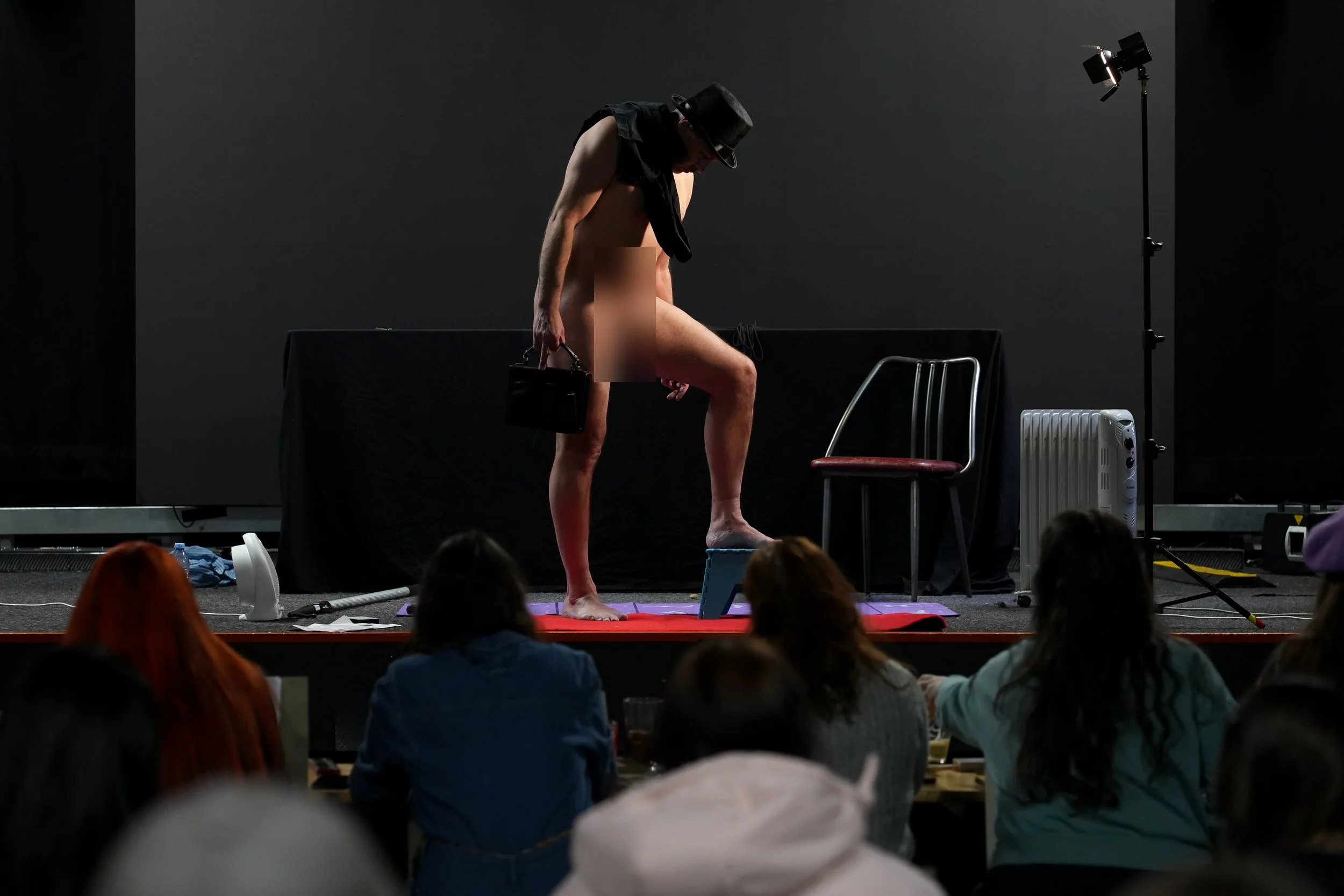
Life drawing is often about capturing the human form with precision, but sometimes, it becomes a celebration of movement, energy, and drama. Recently, I hosted a life drawing session inspired by the Baroque master Peter Paul Rubens, whose work is renowned for its dynamic compositions, rich textures, and voluptuous figures. This session challenged artists to embrace a more fluid, expressive approach to drawing, focusing on the dramatic interplay of light, shadow, and form
Exploring the Rubenesque Aesthetic
Rubens’ figures are celebrated for their vitality, fullness, and sense of motion. Unlike the rigid classical approach, his work pulses with life, often depicting figures in dramatic action, intertwined in complex, dynamic compositions. To reflect this, our session focused on capturing the energy and weight of the human body rather than strict anatomical accuracy.
The model took on powerful, twisting poses reminiscent of Rubens’ mythological and historical scenes. Instead of static stances, they moved through sequences, allowing artists to sketch flowing gestures that conveyed a sense of motion. We emphasised exaggerated curves, expressive limbs, and rich tonal contrasts to create depth and physicality, mirroring the grandeur of Rubens’ art.
Mastering Light, Shadow, and Drama
One of Rubens’ defining features is his masterful use of chiaroscuro—the dramatic interplay of light and dark—to create volume and movement. To replicate this, we used strong directional lighting, casting deep shadows and highlighting muscles and skin folds in a sculptural manner.
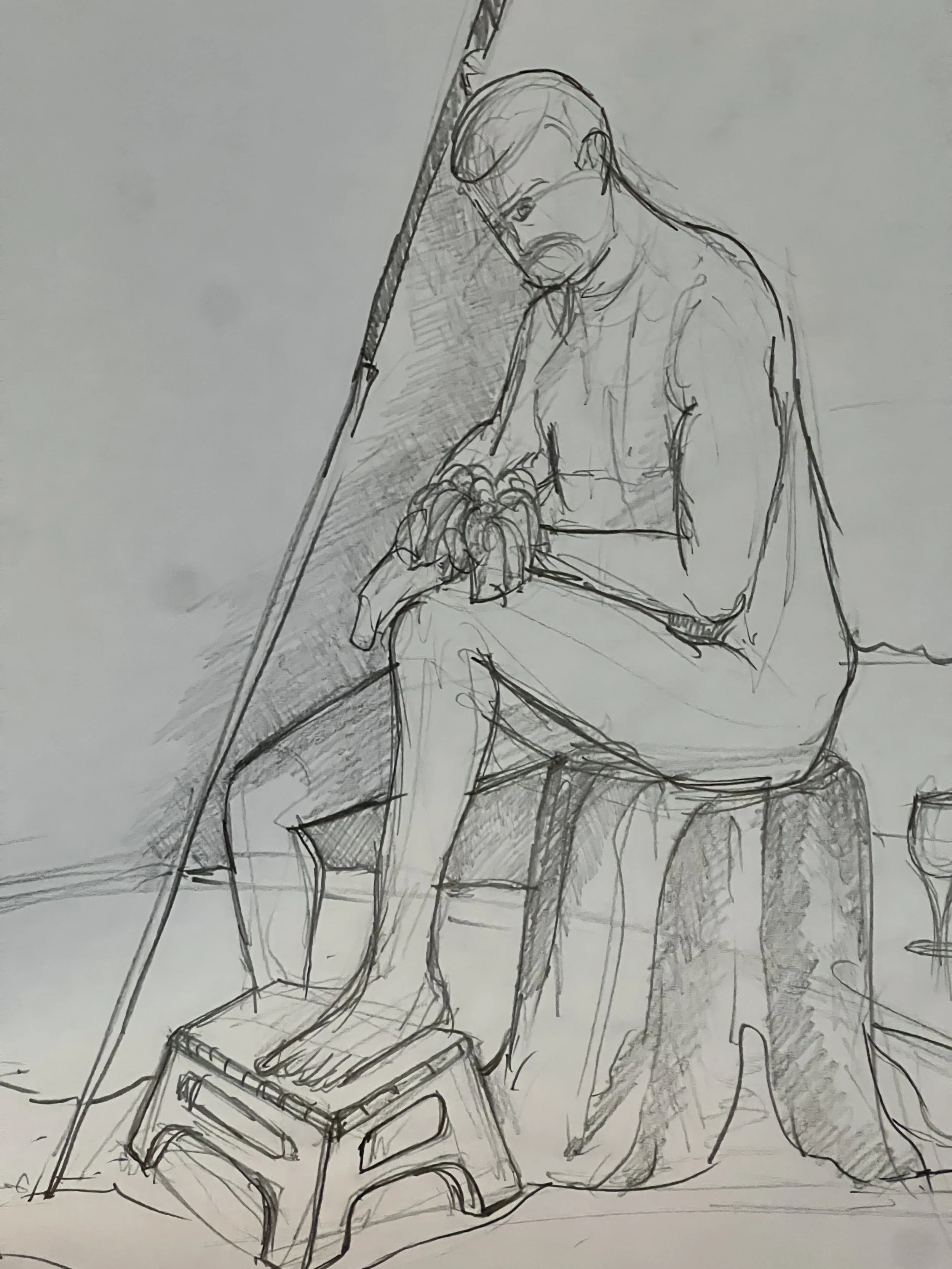
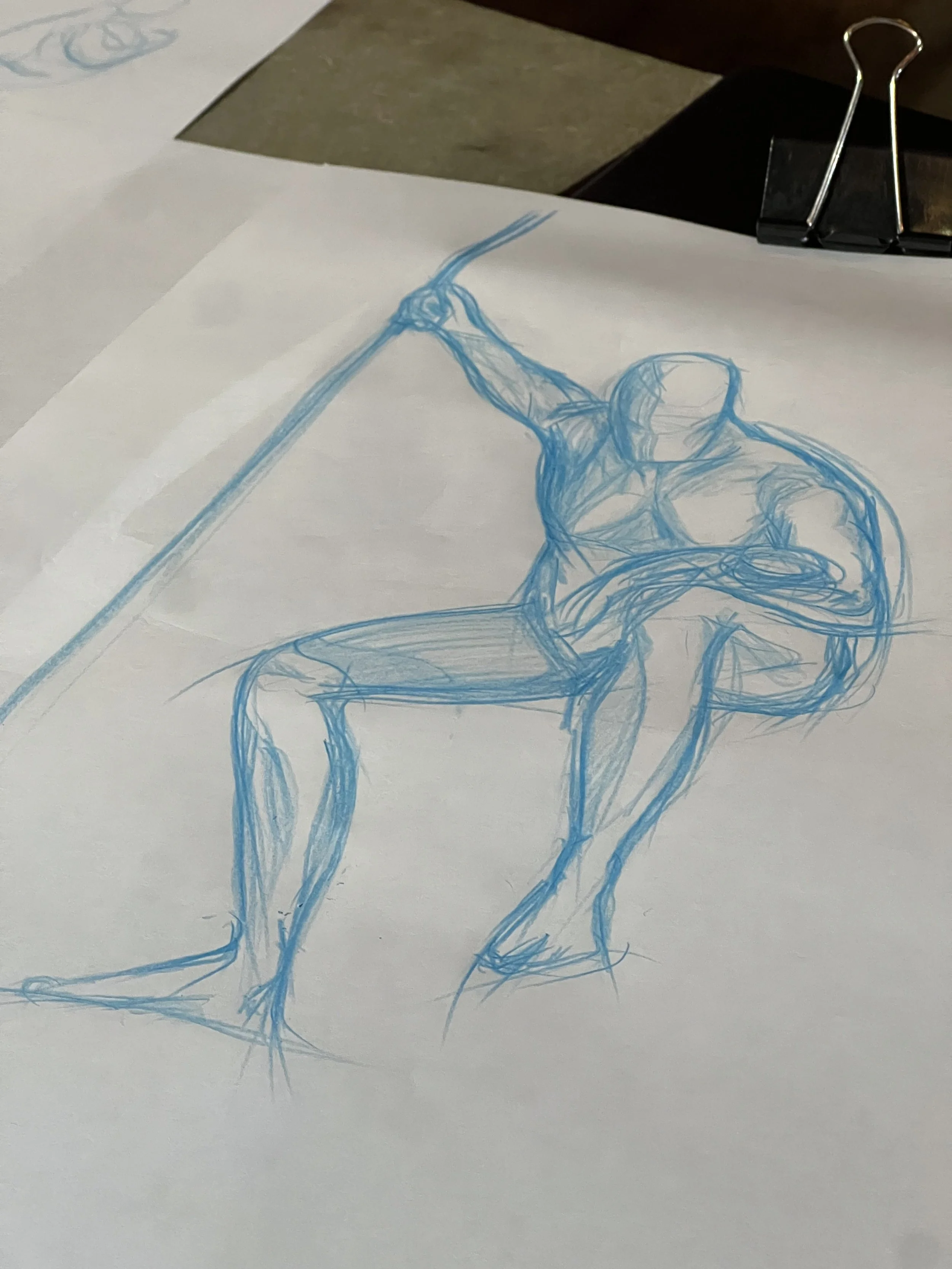
Participants worked with charcoal, sanguine, and sepia tones to enhance the warmth and drama of the figure. Participants started with bold, sweeping strokes, layering and building up their drawings before refining the details. This workshop allowed artists to focus on the essence of the pose, embracing the richness of form rather than getting bogged down by perfectionism. Many found this liberating, as it shifted the focus from precision to expression.
The Results: Drawings Full of Life
By the end of the session, the room was filled with drawings that felt alive, bursting with energy and drama. Each piece captured the dynamic spirit of Rubens’ work, from the fluidity of the poses to the dramatic contrasts of light and shadow.
This Rubens-inspired life drawing class was a reminder that art is as much about storytelling and emotion as it is about technical skill. By embracing the grandeur and movement of Rubens’ work, we pushed beyond static figures into a realm of dynamic composition and expressive form.
If you’ve never drawn inspiration from Baroque art, I highly recommend exploring it. There’s something truly invigorating about letting go of strict realism in favour of movement, expression, and bold artistry. Whether you’re a seasoned artist or a beginner, stepping into the world of Rubens can open new creative possibilities and breathe life into your work.
Join Us for More Artistic Adventures
Inspired by this session? Stay tuned for more themed life drawing classes that explore the works of other great artists and movements. Let’s continue to push boundaries, embrace creativity, and celebrate the beauty of the human form together.
Bee Creative Studio
Where Art Meets Inspiration
The Timeless Art of Life Drawing: Why It Still Matters Today
Life drawing (the practice of sketching the human figure from a live model) has been a cornerstone of artistic training for centuries. From the Renaissance masters to modern-day artists, this fundamental discipline remains a vital skill, offering endless benefits to both aspiring and seasoned creatives. But in an era dominated by digital media and photography, why does life drawing still hold such importance? Let's explore the enduring relevance of this practice and why it continues to shape the world of art.
A Foundation for Artistic Mastery
Historically, life drawing was a central part of classical art education. The greats like Michelangelo, Rembrandt, and Klimt honed their skills by studying the human form. Their ability to capture movement, emotion, and anatomy stemmed from countless hours of drawing from life. Even today, life drawing provides the foundation for understanding proportion, perspective, and structure; essential skills for any artist, whether working in realism, abstraction, or even digital illustration.
Training the Eye and Hand
Unlike working from photographs, drawing from life forces the artist to engage in direct observation. This practice strengthens an artist’s ability to see and interpret form, light, and shadow in real time. The human figure is incredibly complex, with subtle variations in tone and movement that a camera may flatten or distort. By drawing from life, artists develop a heightened sensitivity to these nuances, training both the eye and hand to work in harmony.
Encouraging Expressiveness and Confidence
Life drawing isn't just about technical skill, it’s also a powerful tool for artistic expression. The quick gestures of a warm-up session encourage looseness, helping artists develop a sense of movement and emotion in their work. Over time, regular practice fosters confidence, allowing for more dynamic and fluid compositions. Whether an artist prefers the precision of a fine line or the bold energy of charcoal strokes, life drawing nurtures a personal artistic voice.
A Return to the Human Experience
In a world increasingly mediated by screens, life drawing offers a rare opportunity to engage with the human experience in an immediate and tangible way. The presence of a live model fosters a connection between artist and subject, reminding us of the beauty and vulnerability of the human form. It is an act of observation, empathy, and interpretation; a process that keeps art deeply rooted in the physical and emotional realities of life.
Lifelong Learning and Growth
Even for experienced artists, life drawing remains an ever-evolving practice. Each session presents new challenges: a different pose, a change in lighting, or a new model with distinct features. No matter how skilled an artist becomes, there is always something new to learn. Many artists return to life drawing throughout their careers, using it to refine their skills and reignite creative inspiration.
Despite the rapid advancement of digital tools, life drawing remains an irreplaceable practice in the art world. It teaches essential technical skills, fosters expressiveness, and strengthens the artist’s connection to both their work and their subject. So, if you haven’t attended a life drawing session recently, consider giving it a try. You may find that this age-old practice offers fresh insights, deepening your appreciation for the art of observation and the beauty of the human form.
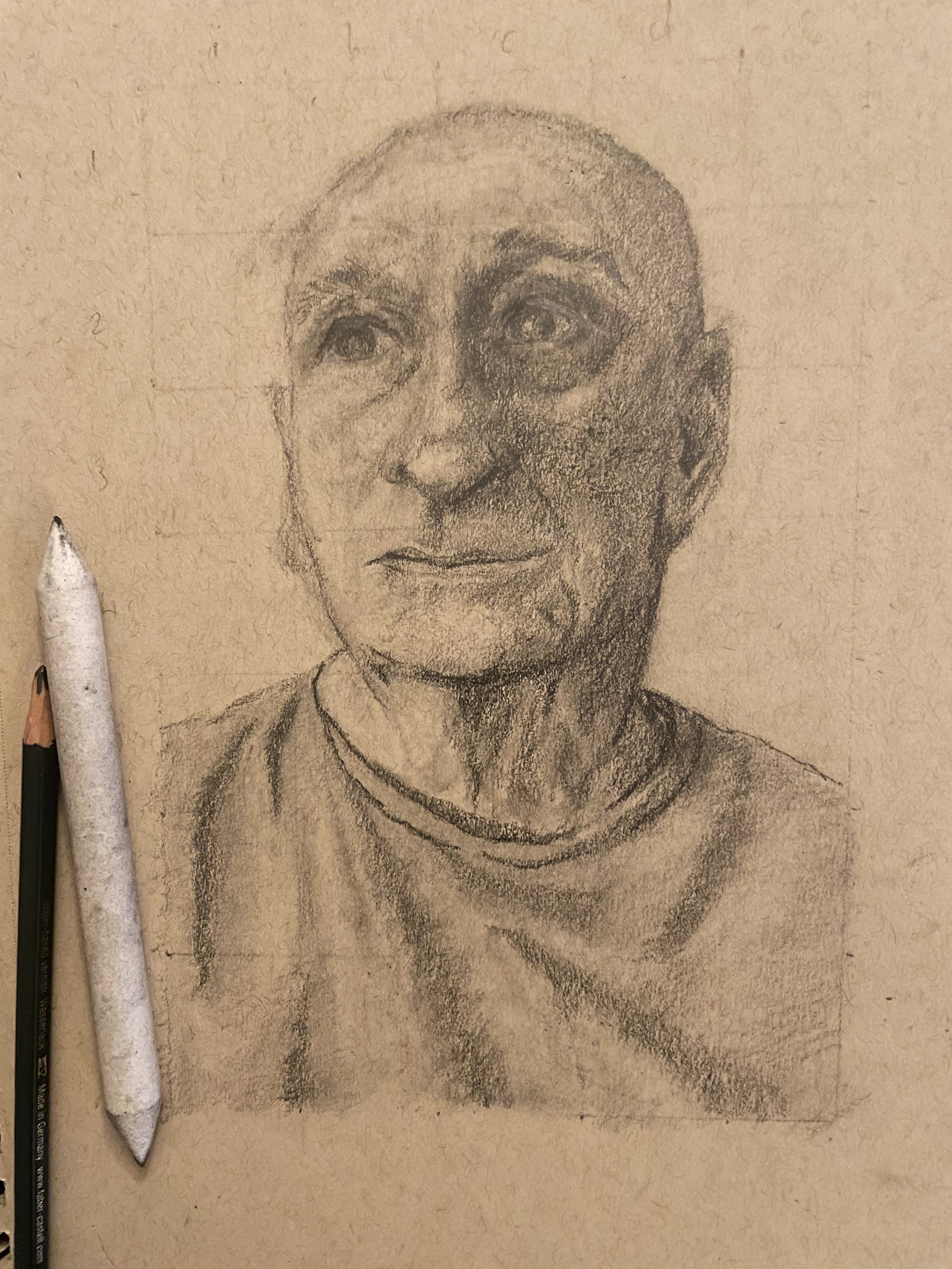
Unlocking Precision: Using the Grid Method to Achieve Better Portraits
When it comes to drawing and painting there are a multitude of techniques that can help you to achieve the results you want. One such useful technique is the grid method, a systematic approach to drawing or transferring images onto a larger surface with accuracy and proportion, providing a structured framework for understanding composition, perspective, and spatial relationships.
What is the grid method?
The grid method enables you to break down the drawing process into smaller, manageable sections, by dividing the reference image and drawing surface into a grid of evenly spaced squares. You can then reproduce the contents of each square onto the corresponding section of the drawing surface.